
"Cuba coffee history"
500 article(s) found

Why is the origin of Blue Mountain Coffee called Blue Mountain Coffee? where is there authentic Blue Mountain Coffee?
Take a look at the popular coffee cultivation in Latin America and Central America this time. Among them, I will involve the origin and origin of the Blue Mountains that the Chinese are familiar with. What is the history of this area in many countries of coffee origin? Coffee cultivation spreads in Latin America it is said that coffee cultivation in Latin America began in the corner of coffee brought by the French island of Martinique. Cuba, Haiti, Costa Rica, Su

Those countries produce coffee cans, coffee cans, car cans
Tarrazu in Costa Rica is one of the major coffee producing areas in the world. The coffee produced is light and pure in flavor and pleasant in aroma. Costa Rica, with its fertile volcanic soil and good drainage, was the first country in Central America to grow coffee and bananas for commercial value. Coffee and bananas are the country's main exports. In 1729, coffee was introduced from Cuba

A brief introduction to the history and culture of the origin and development of Costa Rican boutique coffee beans with fruit flavor
Coffee was introduced into Costa Rica from Cuba in 1729. Today, its coffee industry is one of the well-organized industries in the world, with a yield of 1700 kg per hectare. Costa Rica has only 3.5 million people but 400m coffee trees, and coffee exports account for 25 per cent of the country's total exports. The volcanic soil of Costa Rica is very fertile and well drained, especially in the central part.

Introduction to the Flavor characteristics of Orosi / Eurosi Orosi Coffee in Costa Rica Coffee producing area
Professional coffee knowledge exchange more coffee bean information please follow the coffee workshop (Wechat official account cafe_style) History Costa Rica is the first country in Central America to grow coffee and bananas because of its fertile and well-drained volcanic soil. Coffee and bananas are the country's main exports. In 1729, coffee was introduced into Costa Rica from Cuba.

The difference between Piccolo latte and Cortado, what do Piccolo latte and Cortado do?
Professional coffee knowledge exchange more coffee bean information please follow the coffee workshop (Wechat official account cafe_style) Piccolo latte | (small latte), I like it very much, a small cup is just right, a condensed milk with about 90cc whipped milk, recommend friends who want to try the concentrated flavor of the store, but are afraid of being too strong. Cortado |, espresso with a small amount

Types of coffee beans History Coffee Raw Bean Market
Types of coffee beans World Coffee production Brazil Coffee Fruit (Arabica) Coffee on the market are mainly Coffee Arabica, Coffee Robusta and Coffee Liberica. Each of them can be subdivided into more variety branches. The origin of coffee beans and most of the coffee beans in circulation in the market

Types of coffee: the three major coffee producing areas, which is the favorite?
First, Costa Rican coffee has full particles, ideal acidity and unique strong flavor. Tarrazu of Costa Rica is one of the main coffee producing areas in the world. Costa Rica, with its fertile volcanic soil and good drainage, is the first country in Central America to grow coffee and bananas for commercial value. Coffee and fragrance

Which of the three major coffee producers is the favorite?
Following Cafe Review (Wechat official account vdailycom) found that Beautiful Caf é opened a small shop of its own-Costa Rican coffee with full grains, ideal acidity and unique strong flavor Tarrazu of Costa Rica is one of the major coffee producers in the world, with a light and pure flavor and pleasant aroma. The volcanic soil in Costa Rica is very fertile and drained.

Costa Rican Coffee House-Diamond Hill Coffee House Costa Rican Coffee House
Costa Rican coffee cultivation was introduced from Cuba in 1779 and exported for the first time in 1820. There are about 32,000 coffee farmers in Costa Rica, with an average cultivation area of less than one hectare (10,000 m2) per farmer. Costa Rica has a population of 4.1 million (2006), coffee cultivation area of 82,500 hectares, annual production of 1.7 million bags (60kgs per bag), annual domestic consumption of 380,000 bags, flat

World-famous coffee plantation producing area brand taste flavor description grinding scale treatment quality introduction
World famous coffee estate production area brand taste flavor description grinding scale treatment method quality introduction SGL farm coffee beans in the industry is also a high reputation in the south of Costa Rica's capital San Jose called Dalazhu place; logo Dalazhu Costa Rica coffee is the product of this region Bill in took over the family coffee plantation in 6,

Gentle and supple Costa Rican Tara Beads Coffee Bean Origin Development History Culture Introduction
Excellent Costa Rican coffee is called extra-hard and can grow at altitudes above 1500 meters. Altitude has always been a problem for coffee growers. Coffee beans are better at higher altitudes, not only because higher altitudes increase the acidity of coffee beans and thus enhance flavor, but also because lower night temperatures at higher altitudes can slow tree growth and thus

Flavor Clear Costa Rican Tara Beads Fine Coffee Bean Origin Development History Culture Introduction
The Colombian people say coffee has changed the country and has made a remarkable contribution to its rich environment.Although Colombia ranks third from the bottom in terms of land area in Central America, its economic environment is better than half that of other countries.Because of its rich people and stable society, Costa Rica has more than 30 national parks. Coffee in 1729
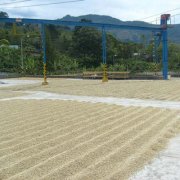
Costa Rican Diamond Hill Manor boutique coffee beans Costa Rican coffee flavor Costa Rica
Costa Rican coffee cultivation was introduced by Cuba in 1779 and exported for the first time in 1820. There are about 32000 coffee farmers, with an average planting area of less than one hectare (10000 hectares) per farmer. Costa Rica has a population of 41 billion (2006), with a coffee planting area of 82500 hectares and an annual production of 1.7 million bags (60kgs per bag). The annual domestic consumption is 380000 bags.

Front Street Cafe Costa Rica Diamond Hill Manor washed SHB Kaddura boutique coffee beans
Coffee beans details: country: Costa Rica Grade: SHB producing area: Tara Pearl producer: Tara Pearl Local Farmers: washed varieties: Kaddura, Kaduai Manor: Diamond Hill Manor Flavor: soft orange notes, toast, caramel cocoa sweet, clean Costa Rican coffee was introduced by Cuba in 1779 and exported for the first time in 1820.
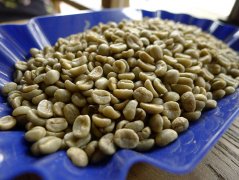
Costa Rica Diamond Villa washed coffee cooked beans washed SHB Kaddura boutique coffee beans roasted
Coffee beans details: country: Costa Rica Grade: SHB producing area: Tara Pearl producer: Tara Pearl Local Farmers: washed varieties: Kaddura, Kaduai Manor: Diamond Hill Manor Flavor: soft orange notes, toast, caramel cocoa sweet, clean Costa Rican coffee was introduced by Cuba in 1779 and exported for the first time in 1820.
Costa Rica Diamond Hill Manor Fine Coffee beans washed SHB Kaddura Fine Coffee Raw beans
Coffee beans details: country: Costa Rica Grade: SHB producing area: Tara Pearl producer: Tara Pearl Local Farmers: washed varieties: Kaddura, Kaduai Manor: Diamond Hill Manor Flavor: soft orange notes, toast, caramel cocoa sweet, clean Costa Rican coffee was introduced by Cuba in 1779 and exported for the first time in 1820.

Costa Rica Diamond Villa Garden washed Coffee cooked beans Diamond Hill Fine Coffee characteristics of Diamond Hill
Coffee beans details: country: Costa Rica Grade: SHB producing area: Tara Pearl producer: Tara Pearl Local Farmers: washed varieties: Kaddura, Kaduai Manor: Diamond Hill Manor Flavor: soft orange notes, toast, caramel cocoa sweet, clean Costa Rican coffee was introduced by Cuba in 1779 and exported for the first time in 1820.

A brief introduction to the history and culture of the origin and development of Costa Rican Diamond Hill boutique coffee beans with bitter chocolate.
Tarrazu in Costa Rica is one of the major coffee producing areas in the world. The coffee produced is light and pure in flavor and pleasant in aroma. Costa Rica, with its fertile volcanic soil and good drainage, is the first country in Central America to grow coffee and bananas for commercial value. Coffee and bananas are the country's main exports. In 1729, coffee was introduced from Cuba to Goth.

The CESMACH Cooperative in Chiapas, Mexico, introduces what is growing coffee in the biosphere?
CESMACH Cooperative, FTO Chiapas, Mexico-El Triunfo Biosphere Reserve-FLO Mexican Coffee History like many neighbouring countries, Mexico did not receive coffee plants until the late 1700s, when Spanish colonists brought coffee from Cuba and the Dominican Republic. However, during this period, Mexico exported large amounts of minerals such as gold and silver, so agriculture

A brief introduction to the origin, development, history and culture of Tarazhu boutique coffee beans in Costa Rica
Excellent Costa Rican coffee is called extra hard beans, and this kind of coffee can grow at an altitude of more than 1500 meters. Altitude has always been a problem for coffee growers. The higher the altitude, the better the coffee beans, not only because the higher altitude can increase the acidity of the coffee beans and thus increase the flavor, but also because the night temperature at the higher altitude is lower, which can make the trees grow slowly.